



Your car doesn't have a sweat gland, so it relies on you to keep it cool. PAGASA has put the country under an El Niño Watch, warning of drier conditions and possible dry spells and drought. Hot, dry months plus Philippine traffic are tough on any car, so it’s a good practice to remind ourselves of a few tips to keep our cars running healthily. A little prep now beats being stuck on the shoulder at high noon.
Show your cooling system some love
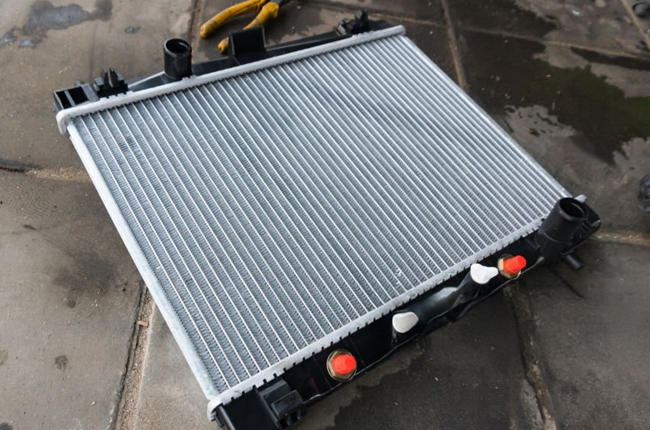
Overheating is the number one concern during the dry season. Check the coolant level in the reservoir when the engine is cold, and top up with the type your manual specifies, usually mixed roughly 50/50 with distilled water. Never open the radiator cap on a hot engine, since pressurized coolant can cause burns. Inspect the radiator for leaks and clogged fins, and make sure the cooling fan kicks in as the engine warms up.
Inspect hoses and belts
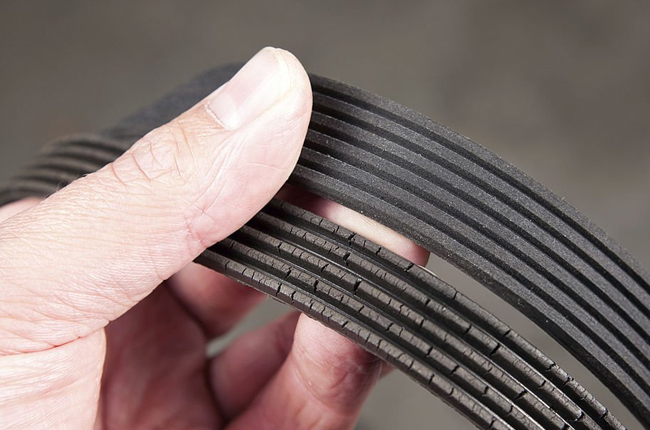
Heat hardens and cracks rubber. While the engine is cool, squeeze your hoses. They should feel firm, not mushy, cracked, or bulging. Check belts for fraying and glazing. The serpentine belt drives your alternator, water pump, and A/C compressor, so a snapped one is bad news. If you're near the timing belt interval in your manual, replace it before it surprises you.
Mind your car’s vital fluids
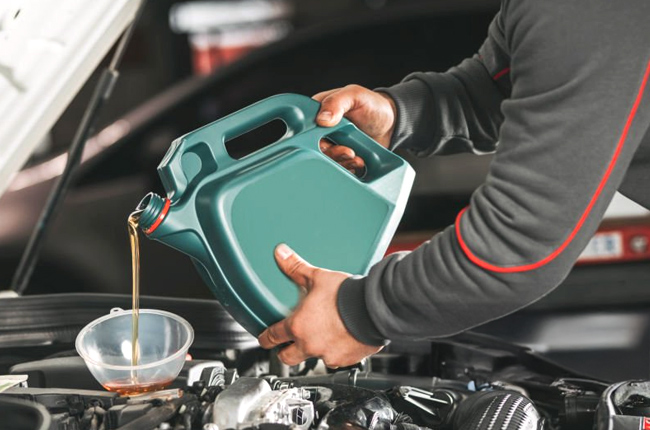
Heat thins engine oil, and thin oil protects less. Use the grade your manual recommends, and change it on schedule. Brake fluid absorbs moisture over time, which lowers its boiling point. Hot brakes plus old fluid can mean a spongy pedal, so most carmakers recommend replacing it about every two years. Transmission fluid also works harder in heat, so check it if your car has a dipstick, or ask a mechanic about sealed units. If your car tends to sit in bumper-to-bumper traffic, it’s also a good idea to have fluid changes sooner rather than later to account for the extra time spent idling.
Give your tires a checkup
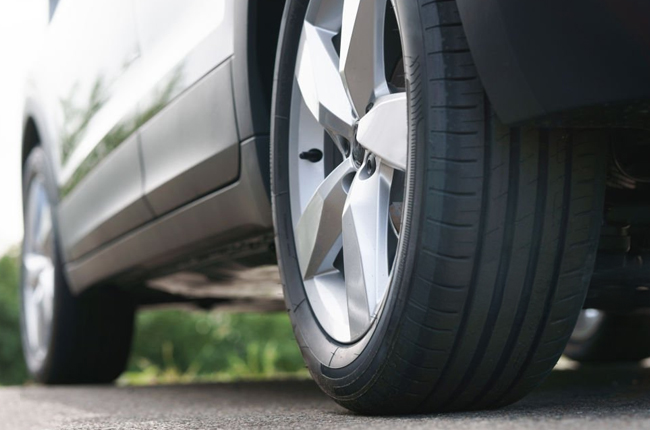
While heat is great for grip, hot asphalt raises tire pressure and stresses rubber. Check pressure when the tires are cold, using the figure on the driver's door jamb sticker rather than the maximum printed on the sidewall. Look for cracks, bulges, and low tread, and check the date code, since old tires degrade even when they look fine. Having old and degraded tires is dangerous enough when you’re traveling normally; it will be extra risky when the heat is abnormally high.
Wax on, heat off
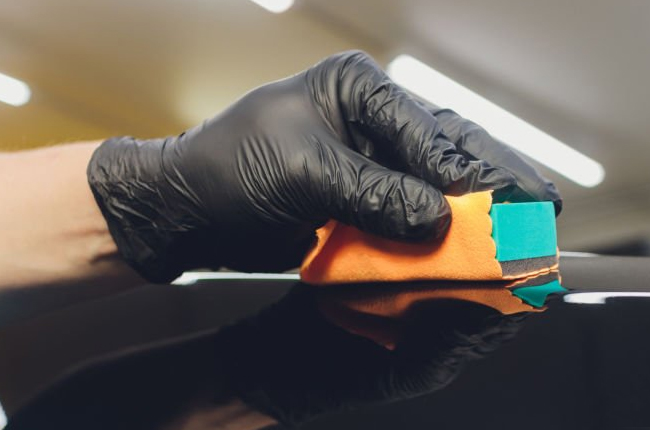
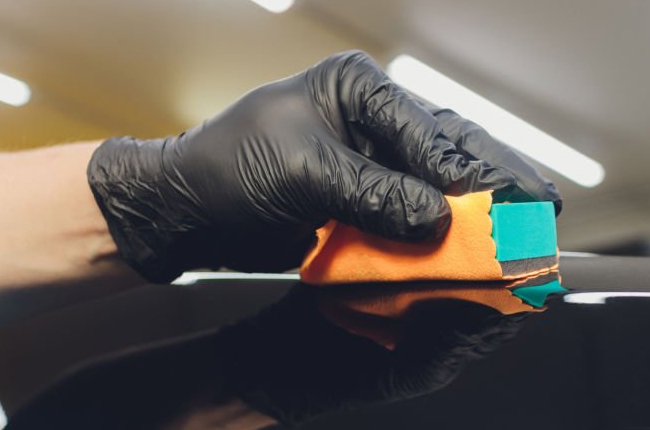
UV rays and heat dull paint and fade trim. A good coat of wax or sealant adds a protective layer and makes washing easier. Reapply every few months, and park in the shade or use a sunshade when you can. Your dashboard and seats will thank you too.
Pack a roadside kit
Even a well-maintained car can break down, and waiting in a hot car is no joke. Pack:
- Water (plenty) and non-melting snacks like crackers or nuts
- Basic over-the-counter remedies and a basic first-aid kit
- A flashlight, power bank, and jumper cables
- An early warning device (the LTO requires one, so you should have one anyway) and a small tire-repair kit
- A spare bottle of coolant, an umbrella, and a towel
Heat can spoil food and weaken some medicines, so swap supplies regularly and keep them in a cooler bag if you can. And never leave children or pets in a parked car, even briefly.
Replace tired wiper blades
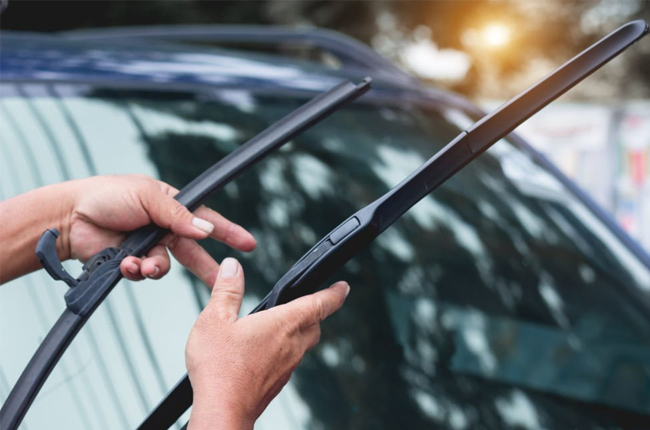
El Niño in the Philippines means less rain overall, but when a sudden downpour hits, you'll want clear glass. Sun and heat harden and crack the rubber on wiper blades. Replace them every six to twelve months, or sooner if they streak, skip, or chatter. Top up your washer fluid while you're at it, since dusty roads leave windshields grimy.
Check your battery
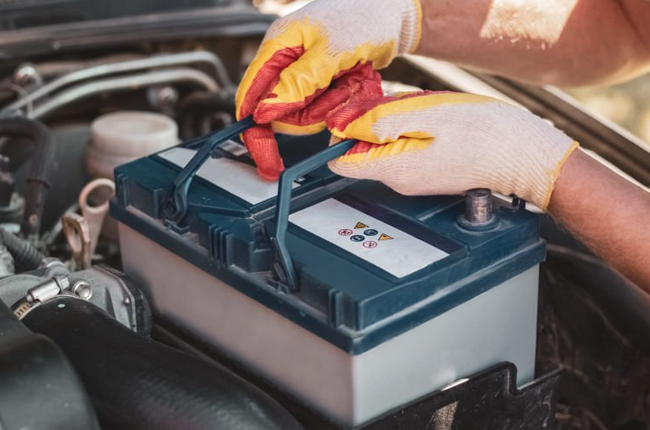
Cold is usually the one that gets flak for dead batteries, but did you know heat can also quietly kill batteries by speeding up internal wear? Most batteries last about three to five years, but a battery that experiences extreme heat will last less than that. Clean off any crusty corrosion on the terminals, make sure the battery is secured, and have it load-tested, which many shops do cheaply or for free. If yours is near the end of its life, replace it before it leaves you stranded.
Keep the A/C alive
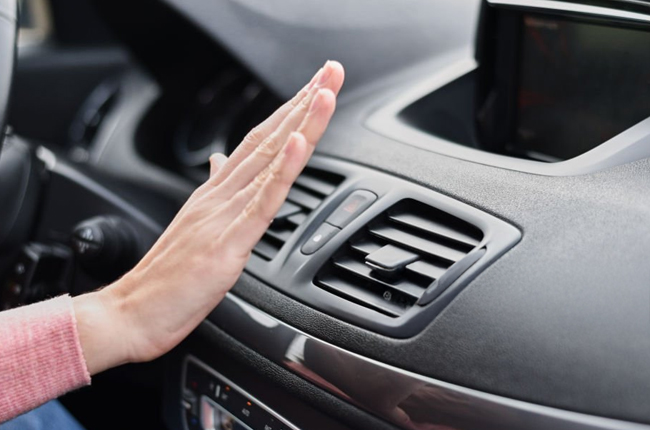
In a Philippine summer, air conditioning is a survival tool. If cooling feels weak or slow, don't wait for it to quit. Replace a dirty cabin air filter, gently clear leaves and debris from the condenser in front of the radiator, and have a technician check for refrigerant leaks. A low charge usually means a leak, so a simple top-up may not fix it. Also, open the windows for a minute when you first start the car to let trapped hot air escape before the A/C takes over, just so it won’t have a hard time cooling the cabin.
None of this is complicated, and most of it takes a single trip to your trusted mechanic. Get ahead of the heat, and you can spend El Niño worrying about the weather instead of your engine. Stay cool, and drive safe!
Latest Features
-

Why is it important to detail your car's windows? / Tips & Advice
It does pay to take proper care of your car’s windows.
-
Challenging expectations: Five reasons to consider the Chery Q EV / Featured Article
Think small EVs aren’t worth a second look? The Chery Q EV has the cabin and features that can convince you otherwise.
-
How to tell if your car’s CVT is failing? / Tips & Advice
Slipping, weird noises, or overheating? Your CVT may be asking for help. Here’s how to read the signs and act fast.


Popular Articles
-
Electric Vehicles in the Philippines for under P1 million
Jerome Tresvalles · Aug 19, 2025
-
VinFast: Are battery subscriptions the way forward?
Jerome Tresvalles · Nov 06, 2024
-
5 Tips to Maximize Fuel Efficiency
Jerome Tresvalles · Sep 09, 2024
-
Five driving habits that are draining your fuel tank
Jerome Tresvalles · Jun 24, 2025
-
2026 Changan Lumin Review
Jerome Tresvalles · Feb 05, 2026
-
Do electric cars even need maintenance?
Jerome Tresvalles · Oct 23, 2024
-
2025 JAECOO EJ-6 EV Review
Jerome Tresvalles · Oct 02, 2025
-
MG EVs: Electric performance without the luxury price tag
Shaynah Miranda · Jan 14, 2025
-
8 reasons the VinFast VF3 should be your first car
Dec 30, 2024
-
Hybrids explained: What’s the difference between mild, full, and plug-in hybrid cars?
Shaynah Miranda · Oct 15, 2024