


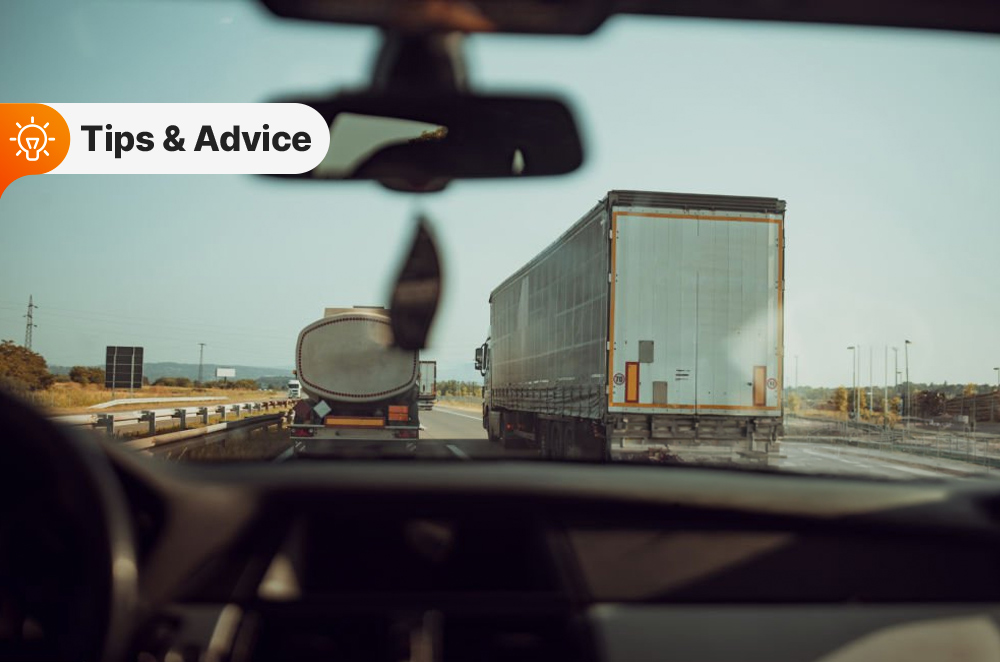
Every time diesel and gasoline prices spike at the pump- and here in the Philippines, that feels like every other week- the same recycled advice starts making the rounds on Facebook groups and community chats. These are tips like drafting, going downhill in neutral, or even warming your car up for a few minutes, which has become gospel for the Filipino driver. Most of it sounds plausible enough that it keeps getting shared, but plausible and true are not the same thing. Here's what the physics, the engineering, and the actual test data say about six of the most common fuel-saving myths on Philippine roads.
Drafting cars
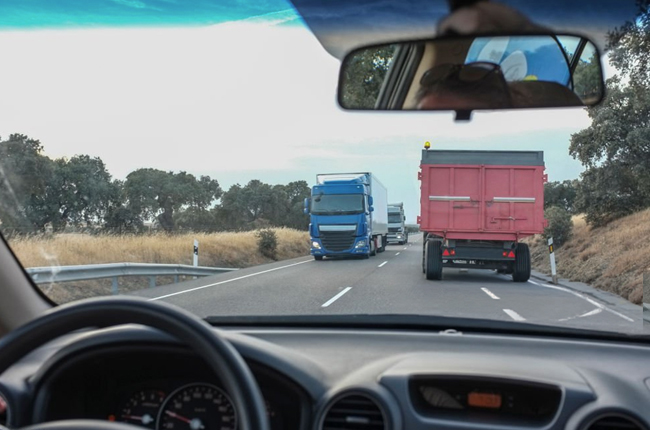
The logic of drafting cars isn't entirely wrong on paper. Aerodynamic drag really does drop when a vehicle rides in the slipstream of the one ahead, which is why race cars draft and why some trucking fleets abroad have experimented with computer-controlled truck platooning. But there's a massive difference between a tightly controlled convoy holding a steady gap at highway speed and someone riding the bumper of a bus along NLEX or tailing a trailer truck through EDSA traffic.
In real Philippine traffic conditions, tailgating just means constant braking and re-accelerating every time the vehicle ahead slows, swerves, or picks up passengers. That stop-and-go pattern burns far more fuel than any drag reduction could recover, since accelerating from a lower speed always costs more energy than holding a steady one. Add in the obvious danger on roads already crowded with jeepneys, tricycles, and motorcycles weaving through lanes, and tailgating fails on every count. The LTO also flags following too closely as a driving violation, and for good reason.
Warming up your car
This one actually made sense decades ago, back when carbureted engines would stall or run rough right after starting. That problem mostly disappeared once fuel-injected engines became standard from the 1990s onward, and nearly every car sold in the Philippines today, from a Vios to a Montero, uses computer-managed fuel injection. These engines warm up fine while being driven gently, and they actually reach operating temperature faster under light load than sitting idle in the garage.
Given the Philippines' tropical climate, this habit makes even less sense here than in colder countries where the tip originally came from. There's no frost to melt off, no sub-zero oil to thin out. Idling for five or ten minutes before leaving just burns fuel for zero kilometers traveled. The recommended approach, backed by most manufacturers including Toyota Motor Philippines and Honda Cars Philippines in their owner's manuals, is to start the car and drive off gently within the first thirty seconds or so, letting the engine warm up while actually moving.
Shifting to neutral downhill
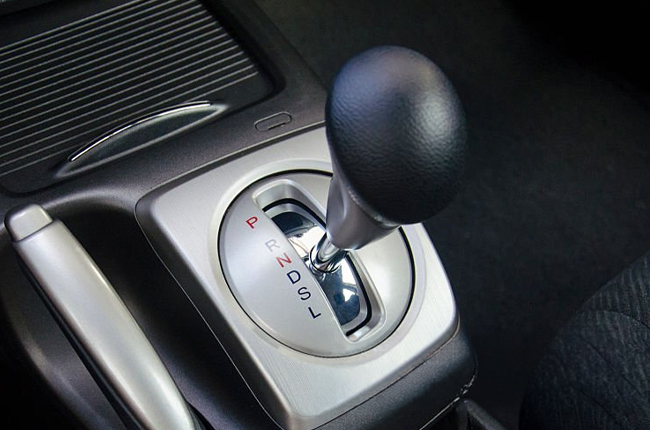
At first glance, this tip feels like it should save gas since the engine isn't "working" to move the car forward. It's actually backwards. Virtually every fuel-injected car on the road today uses a feature called deceleration fuel cutoff. When the driver lifts off the accelerator while the car is still in gear and moving, such as coasting down from Kennon Road or any flyover, the engine control unit cuts off fuel to the cylinders completely, since the car's own momentum keeps the engine turning. That means coasting downhill in gear with your foot off the gas can use close to zero fuel.
Shift to neutral, though, and the engine drops to idle, which means it needs fuel again just to keep running. So neutral coasting can actually burn more gas than staying in gear, not less. Worse, it takes away engine braking, which matters a lot on the kind of long, steep descents found in places like Baguio, Tagaytay, or Bukidnon, where riding the brakes alone can lead to brake fade. The LTO considers coasting in neutral on a downgrade a dangerous practice, not a fuel-saving one.
Using manual mode on automatics
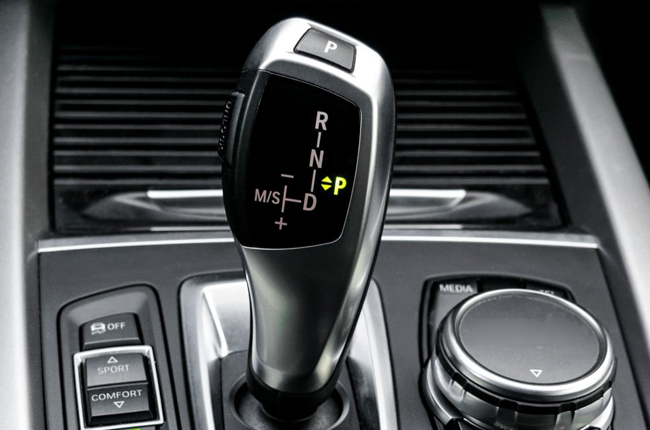
Modern automatics, including the CVTs and multi-speed units found in most Philippine-market sedans and SUVs today, are tuned by engineers with extensive data to strike the best balance between fuel economy and drivability. They shift early and lock up the torque converter as soon as it's efficient to do so, generally choosing better gear timing than a driver reacting on the fly.
Flipping into manual or "S" mode and holding gears longer just keeps the engine spinning at higher rpm than necessary, which burns more fuel, not less. There are legitimate reasons to use manual mode, such as engine braking going down a mountain road or keeping control while overtaking on a two-lane highway, but saving fuel isn't one of them. Drivers who like manually holding gears for a sportier feel are trading efficiency for engagement, which is a fine trade to make, just not the one they think they're making.
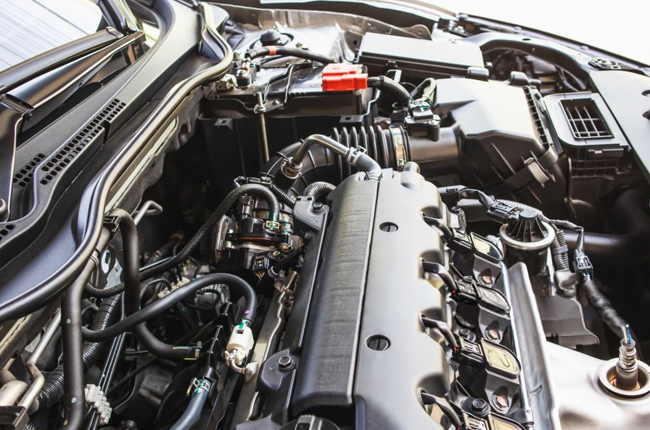
Octane rating measures how resistant a fuel is to knocking, or premature ignition, under compression. It has nothing to do with how much energy the fuel holds or how "powerful" or "cleaner" it burns. If your owner's manual specifies RON 91 or RON 93, meaning regular or midgrade unleaded, your engine's compression ratio and ignition timing were designed around that fuel, and stepping up to a RON 95 or RON 100 product like Petron Blaze 100, Shell V-Power, or Caltex Platinum buys you nothing extra.
The Department of Energy and various independent tests over the years have consistently found no measurable gain in fuel economy or power when higher-octane fuel goes into an engine that wasn't designed to need it. The only vehicles that genuinely benefit are those with high-compression or turbocharged engines where the manufacturer specifically requires or recommends higher octane, common in some performance and turbo-diesel models. For an ordinary naturally aspirated engine tuned for regular fuel, premium is simply a pricier way to fill the same tank, and at Philippine pump prices, that difference adds up fast over a month of commuting.
Miracle fuel-saving gadgets
Magnetic clamps for the fuel line, fuel-saving "chips," ionizers that plug into the cigarette lighter, and various pang-tipid pellets dropped into the tank have been sold in the Philippines and worldwide for decades, always with the same promise of dramatic mileage gains for a small price. Regulatory bodies like the US EPA have tested well over a hundred such devices since the 1970s and have never found one that delivers a meaningful, verifiable improvement in fuel economy. Some have even been shown to increase emissions or cause engine damage over time.
The pattern is always the same: glowing testimonials, cherry-picked before-and-after numbers, and no independent, peer-reviewed testing to back any of it up. Above all, think about it, if a forty-peso magnet or a gadget bought off Shopee or Lazada genuinely improved fuel economy by double digits, every carmaker selling in the Philippines would already be installing it at the factory. They reason they aren't is that it simply doesn't work.
None of this means fuel economy is completely out of your hands. Keeping tires properly inflated, not hauling around unnecessary weight in the trunk, using steady, moderate speeds instead of aggressive acceleration and hard braking, avoiding unnecessary idling in traffic when it's safe to turn off the engine, and keeping up with basic maintenance like air filters, spark plugs, and engine oil all have real, measurable effects on fuel consumption. It's a lot less exciting than a magnet clipped onto a fuel line, but it's the difference between advice that sounds clever on Facebook and advice that actually stretches your budget at the pump.
Latest Features
-

Why is it important to detail your car's windows? / Tips & Advice
It does pay to take proper care of your car’s windows.
-
Challenging expectations: Five reasons to consider the Chery Q EV / Featured Article
Think small EVs aren’t worth a second look? The Chery Q EV has the cabin and features that can convince you otherwise.
-
How to tell if your car’s CVT is failing? / Tips & Advice
Slipping, weird noises, or overheating? Your CVT may be asking for help. Here’s how to read the signs and act fast.

Popular Articles
-
Electric Vehicles in the Philippines for under P1 million
Jerome Tresvalles · Aug 19, 2025
-
VinFast: Are battery subscriptions the way forward?
Jerome Tresvalles · Nov 06, 2024
-
5 Tips to Maximize Fuel Efficiency
Jerome Tresvalles · Sep 09, 2024
-
Five driving habits that are draining your fuel tank
Jerome Tresvalles · Jun 24, 2025
-
2026 Changan Lumin Review
Jerome Tresvalles · Feb 05, 2026
-
Do electric cars even need maintenance?
Jerome Tresvalles · Oct 23, 2024
-
2025 JAECOO EJ-6 EV Review
Jerome Tresvalles · Oct 02, 2025
-
MG EVs: Electric performance without the luxury price tag
Shaynah Miranda · Jan 14, 2025
-
8 reasons the VinFast VF3 should be your first car
Dec 30, 2024
-
Hybrids explained: What’s the difference between mild, full, and plug-in hybrid cars?
Shaynah Miranda · Oct 15, 2024